The Vegetable Gap (It's Bigger Than You Think)
Only 10% of Americans meet the recommended daily vegetable intake. That means 9 out of 10 of us are falling short—often significantly.
The USDA recommends 2-3 cups of vegetables per day for most adults. That's roughly the size of two baseballs. Sounds doable, right? Yet most people eat less than one cup daily.
7 Signs You Need More Vegetables
1. You're Constantly Constipated
Vegetables are loaded with fiber, which keeps your digestive system moving smoothly. If you're struggling with constipation, inadequate vegetable intake is often the culprit.
The fix: Add high-fiber vegetables like broccoli, Brussels sprouts, carrots, and leafy greens.
2. You Feel Sluggish Despite Sleeping Enough
B vitamins, iron, and magnesium from vegetables support energy production. Low intake can leave you feeling drained.
The fix: Include dark leafy greens (spinach, kale) which are rich in these nutrients.
3. You Get Sick Frequently
Vegetables provide immune-supporting vitamins (C, A, E) and antioxidants. Regular colds might signal your immune system needs more nutritional support.
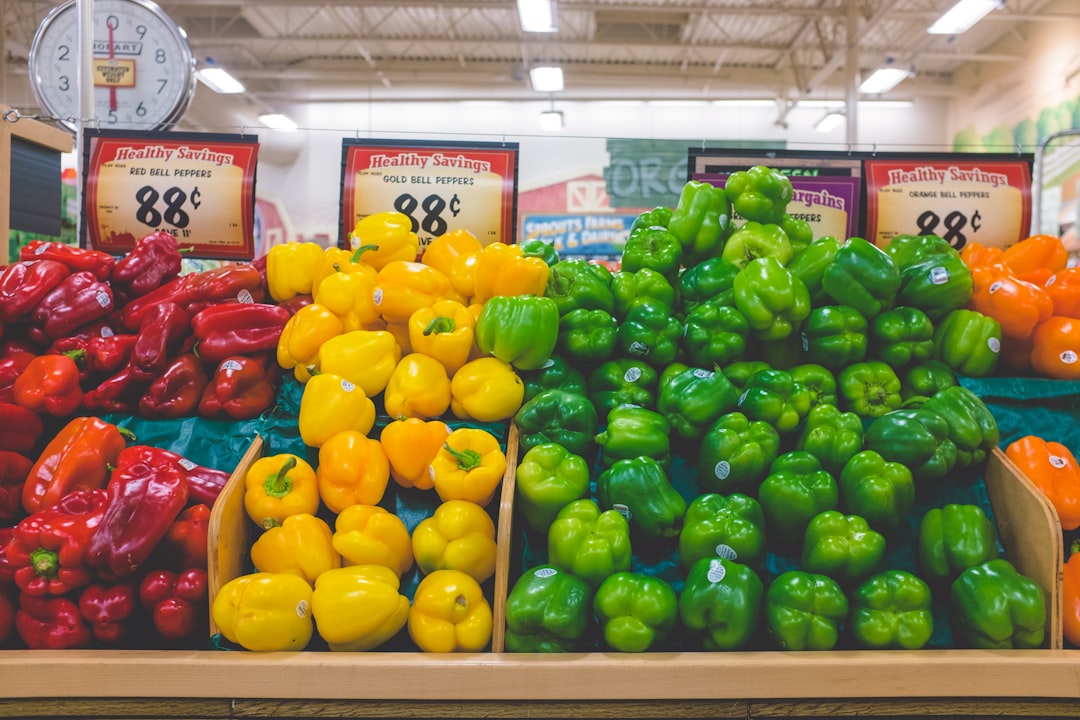
The fix: Add colorful vegetables—red peppers, orange sweet potatoes, purple cabbage. Different colors = different nutrients.
4. Your Skin Looks Dull or Dry
Many vegetables contain compounds that support skin health, including vitamins A and C which are essential for collagen production.
The fix: Eat orange and red vegetables (carrots, tomatoes, sweet potatoes) for beta-carotene and vitamin C.
5. You're Always Hungry
Vegetables are high-volume, low-calorie foods that fill you up. Without them, you might feel hungry even after eating adequate calories.
The fix: Load half your plate with vegetables at meals. The fiber and water content increases satiety.
6. You Have High Cholesterol or Blood Pressure
Diets rich in vegetables are associated with lower cholesterol and better blood pressure control, thanks to fiber, potassium, and other beneficial compounds.
The fix: Focus on vegetables high in soluble fiber (Brussels sprouts, carrots) and potassium (potatoes, spinach, tomatoes).
7. You Rarely Have Colorful Foods on Your Plate
If your meals are mostly beige and brown (bread, pasta, meat, rice), you're missing out on the variety of nutrients found in colorful vegetables.
The fix: Aim for a "rainbow plate" with at least 3 different colors at each meal.
The Easiest Ways to Eat More Vegetables (No Willpower Required)
Strategy #1: Add, Don't Replace
Instead of trying to replace foods you love, just add vegetables alongside them.
- Pizza night? Add a side salad.
- Pasta dinner? Mix in sautéed vegetables.
- Morning eggs? Throw in spinach and tomatoes.
Strategy #2: Make Them Visible and Ready
Prep on Sunday:
- Wash and chop vegetables
- Store in clear containers at eye level in the fridge
- Keep cut veggies with hummus ready to grab
What you'll notice: You'll eat way more vegetables when they're as convenient as junk food.
Strategy #3: Hide Them in Foods You Already Eat
This isn't sneaky—it's smart:
- Blend spinach into smoothies (you won't taste it)
- Add riced cauliflower to regular rice
- Mix finely chopped vegetables into pasta sauce
- Add shredded zucchini or carrots to muffins or meatballs
Strategy #4: Make Them Taste Better
You don't have to eat sad, steamed vegetables. Make them delicious:
- Roast with olive oil and salt (game changer)
- Sauté with garlic and butter
- Add cheese (yes, vegetables with cheese still count)
- Season generously with herbs and spices
Strategy #5: Use Frozen and Canned
Fresh isn't always better. Frozen vegetables are:
- Often more nutritious (frozen at peak ripeness)
- Way more convenient
- Much less expensive
- Zero prep required
Best frozen options: Broccoli, peas, spinach, mixed vegetables, cauliflower rice
Strategy #6: Start Your Day with Vegetables
Most people save vegetables for lunch and dinner. Why not breakfast?
Easy breakfast vegetable ideas:
- Spinach in your omelet or scrambled eggs
- Avocado on toast
- Leftover roasted vegetables with eggs
- Green smoothie with spinach or kale
- Tomatoes and mushrooms with breakfast
Strategy #7: Make Vegetables the Star Sometimes
Instead of vegetables as a side dish, occasionally make them the main event:
- Cauliflower "steaks"
- Stuffed bell peppers
- Zucchini noodles with marinara
- Portobello mushroom "burgers"
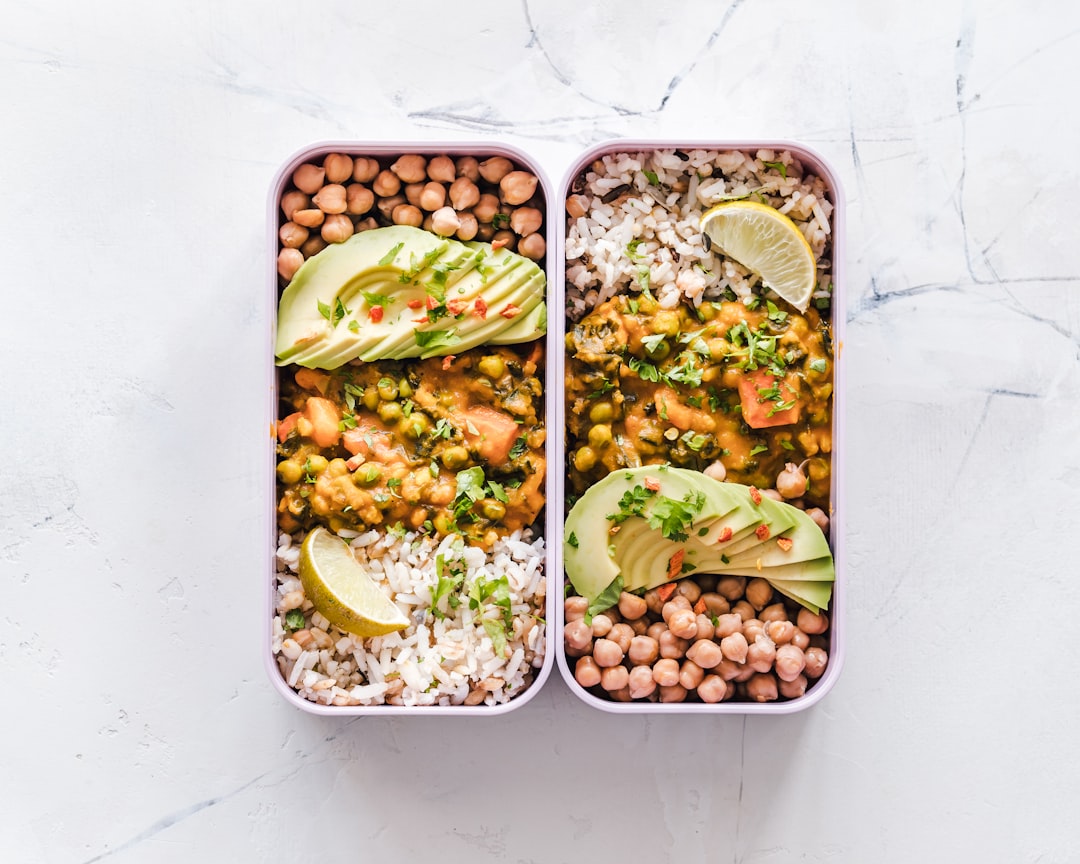
- Buddha bowls with mostly vegetables
The "One Extra Serving" Challenge
Don't overwhelm yourself trying to hit the 2-3 cup goal immediately. Start here:
This week: Add just ONE extra serving of vegetables per day. That's it.
Examples:
- Add spinach to your morning eggs
- Have carrot sticks with your lunch
- Add a side salad to dinner
- Snack on cherry tomatoes
What happens: After a week, that extra serving will feel automatic. Then you can add another.
Your Vegetable Action Plan
Today:
- Buy pre-cut vegetables or wash and chop a variety
- Put them at eye level in your fridge
- Plan one meal where vegetables are half your plate
This Week:
- Add one extra vegetable serving daily
- Try a new vegetable or preparation method
- Notice how you feel (energy, digestion, hunger levels)
This Month:
- Work up to 2-3 cups of vegetables daily
- Experiment with different vegetables and flavors
- Make vegetable-heavy meals a regular part of your rotation
Remember: Any vegetables are better than no vegetables. Don't stress about organic vs. conventional, fresh vs. frozen, or eating a perfect variety. Just eat more vegetables in whatever form works for you.
Your body will thank you.