
The Cookie That Ruined My Day
I was standing in my kitchen, staring at a half-eaten cookie, spiraling. I hadn't planned to eat it. It wasn't on my meal plan. I'd already "used up" my daily points on my tracking app. And now, I felt like I'd ruined everything.
One cookie. And I genuinely considered skipping dinner to "make up for it."
Looking back, I can see how disordered that thinking was. But at the time, it felt completely normal. This was just how you had to be if you wanted to be healthy, right?
Wrong. So incredibly wrong.
How Food Guilt Started (And Got Worse)
I can trace my food guilt back to my first diet at 16. That's when I learned that foods could be categorized as "good" or "bad." That eating the "wrong" foods made me bad. That my worth was tied to what I ate and how my body looked.
The rules piled up over the years:
- No eating after 7 PM
- No carbs after lunch
- No "cheat meals" except on weekends
- No enjoying food too much (that means you're out of control)
- No eating unless you've "earned" it with exercise
Every rule I followed made me feel virtuous—for about five minutes. Then came the inevitable restriction-binge cycle. I'd be "perfect" for days or weeks, then "break" and eat everything I'd been denying myself. Then the guilt would tsunami in, and I'd restart the cycle with even stricter rules.
"This pattern is incredibly common," says Ashley Solomon, PsyD, a clinical psychologist specializing in eating disorders. "Food guilt often starts with well-intentioned dieting but can spiral into a deeply unhealthy relationship with food and your body."
The Moment Everything Clicked
I was venting to a friend about my latest "failed" diet when she said something that stopped me cold: "Why do you talk about food like it has moral value? It's just food. It doesn't make you good or bad."
Just food. Not good or bad. Not something I had to earn or make up for. Just... food.
I wish I could say that realization instantly cured me. It didn't. But it planted a seed that slowly grew into a completely different way of thinking about food.
The Unlearning Process
Letting go of food guilt wasn't a single decision—it was thousands of small choices over months and years. Here's what actually helped:
1. I Started Calling Out "Good" and "Bad" Language
Every time I caught myself thinking or saying "I was so bad today, I ate pizza," I'd stop and rephrase: "I ate pizza today and enjoyed it."
This felt silly at first, like I was lying to myself. But language shapes thought, and over time, my thinking actually started to shift.
2. I Gave Myself Unconditional Permission to Eat
This was terrifying. What if I just ate everything all the time? But here's what actually happened:
When I stopped restricting cookies, I stopped obsessing over them. When they were always available, they lost their power. Some weeks I ate cookies every day. Some weeks I didn't want any. And that was okay.
"When you remove restriction, you remove the psychological urgency to eat a food," Dr. Solomon explains. "It's the restriction that creates the binge, not permission."
3. I Separated My Worth from My Eating
I started asking myself: If I eat this food, does it change who I am as a person? Does it change my kindness, my intelligence, my relationships, my value?
The answer, always, was no.
4. I Worked on Emotional Regulation
Food guilt was often tied to emotional eating. I'd eat when stressed, then feel guilty for "using food as a crutch." Working with a therapist, I developed other coping tools—but I also learned that sometimes eating for comfort is okay. Humans have used food for emotional comfort throughout history. It's normal.
The key was having multiple coping strategies, not just one.
5. I Unfollowed Every Diet Account
Social media was constantly reinforcing the good food/bad food dichotomy. I curated my feed to include intuitive eating advocates, body-positive accounts, and anti-diet nutritionists instead.
My mental space improved dramatically.
What Food Freedom Actually Looks Like Now
Five years later, here's what a typical day of eating looks like for me:
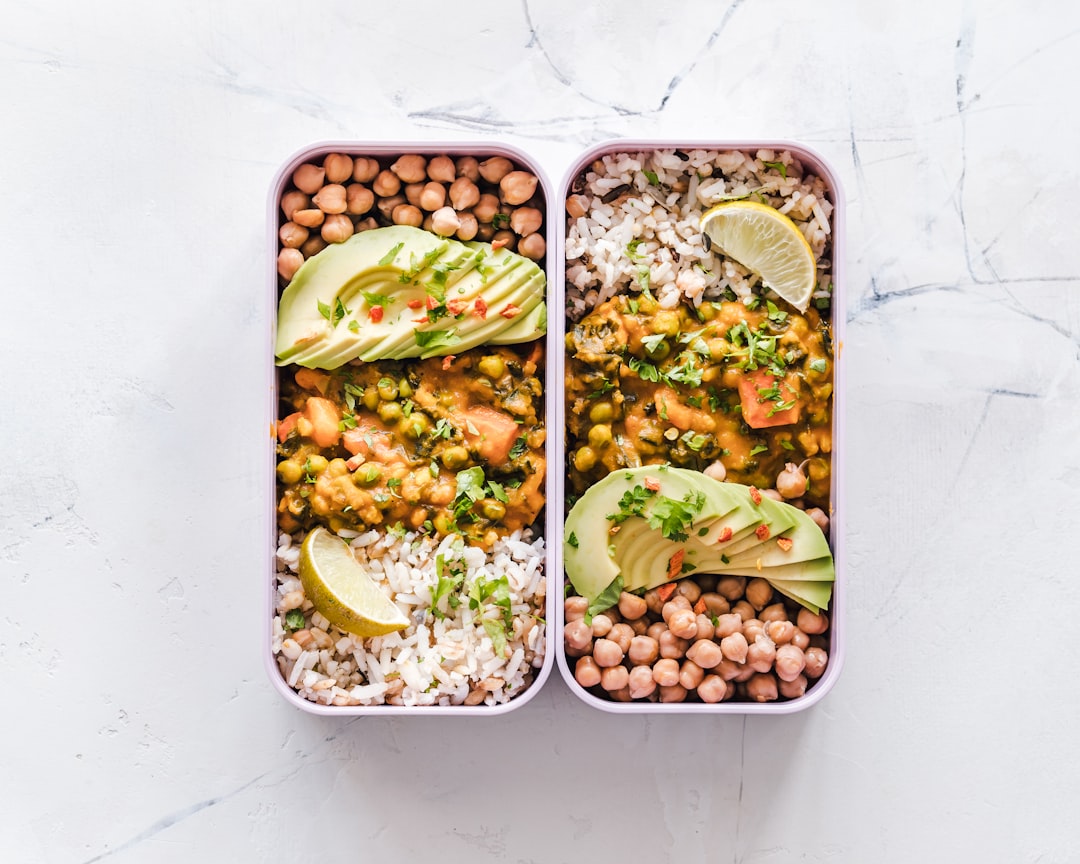
Breakfast: I eat when I'm hungry, which is usually around 9 AM. Today it was avocado toast. Sometimes it's leftover pizza. Both are fine.
Lunch: I notice I'm hungry around 1 PM. I eat a salad with chicken because it sounds good and I know it will keep me full.
Afternoon: I have an apple and peanut butter because I'm actually hungry, not because it's "snack time."
Dinner: Pasta with vegetables. I eat until I'm satisfied (usually about a bowl and a half). I don't measure portions. I don't feel guilty.
Evening: I want something sweet. I have ice cream. I enjoy it. I don't punish myself with extra exercise tomorrow.
Notice: I eat when hungry, stop when full, choose foods that sound good and will satisfy me, and feel zero guilt.
Some days I eat "healthier" foods. Some days I eat more indulgent foods. Most days are somewhere in between. And none of it affects my worth as a person.
The Things I Wish I'd Known Sooner
Food Is Morally Neutral
Kale doesn't make you a saint. Cookies don't make you a sinner. Food is food. Full stop.
Your Body Can Handle Variety
You won't become unhealthy from eating a cookie. Or a day of cookies. Or even a week of mostly cookies (though you probably won't feel great physically, which is information, not punishment).
Restriction Drives Obsession
The foods you think about constantly are probably the foods you restrict most. Permission defuses that obsession.
You Don't Owe Anyone "Clean" Eating
You don't have to earn food. You don't have to justify your choices. You don't have to explain what you eat to anyone.
Guilt Serves No Purpose
Has food guilt ever helped you make healthier choices? Or has it just made you feel terrible and more likely to engage in unhealthy behaviors?
For me, guilt only ever drove the restrict-binge cycle. Compassion, on the other hand, helped me actually listen to my body.
If You're Still Struggling with Food Guilt
Here's what I'd tell my past self:
You're not broken: Food guilt is a learned behavior. If you learned it, you can unlearn it.
Start small: You don't have to embrace food freedom all at once. Start by removing judgment from one food or one meal.
Get support: Consider working with a therapist or non-diet dietitian. This work is hard to do alone.
Be patient: This took me years. Your timeline might be different, but it will take time. That's okay.
Question everything: Where did that food rule come from? Who benefits from you feeling guilty? (Spoiler: usually the diet industry, not you.)
Food guilt steals your joy, your mental energy, and your relationship with your body. You deserve better than that. You deserve to eat without a side of shame.
You deserve food freedom.