The $50 Smoothie Paradox
I used to spend a small fortune at trendy juice bars, ordering smoothies packed with maca powder, spirulina, açaí, and whatever other exotic ingredient was trending that week. I felt virtuous—and broke.
Then I had a conversation with a registered dietitian that changed everything. "There's no scientific definition of 'superfood,'" she told me. "It's a marketing term. You don't need expensive, exotic foods to be healthy."
Wait, what?
What 'Superfood' Actually Means (Hint: Not Much)
Here's the truth nutritionists wish everyone knew: "Superfood" has no regulated definition. It's not a scientific term. It's a marketing buzzword used to sell products, often at premium prices.
"When I see a food marketed as a 'superfood,' I see a health halo," explains Maya Feller, RD, a registered dietitian nutritionist. "Companies use this term to make foods seem more special than they are, often justifying higher prices."
The term became popular in the early 2000s and has been used to sell everything from blueberries (reasonably priced and accessible) to $40 jars of manuka honey (less so).
What Makes a Food "Super"?
Most foods labeled as superfoods do share some common characteristics:
They're nutrient-dense: Lots of vitamins, minerals, antioxidants, or other beneficial compounds relative to their calorie content.
They contain compounds linked to health benefits: Things like antioxidants, omega-3s, fiber, or probiotics that research has connected to improved health outcomes.
They sound exotic: Let's be honest—"superfood" status often correlates more with obscurity and price than actual nutrition.
"The issue isn't that these foods aren't nutritious," Feller notes. "It's that they're not uniquely nutritious. Plenty of common, affordable foods offer similar or even better benefits."
The Expensive "Superfood" Swaps
Let me save you some money. Here are popular expensive superfoods and their budget-friendly nutritional equivalents:
Açaí Berries → Regular Berries
The hype: Açaí bowls are Instagram-worthy and supposedly packed with antioxidants.
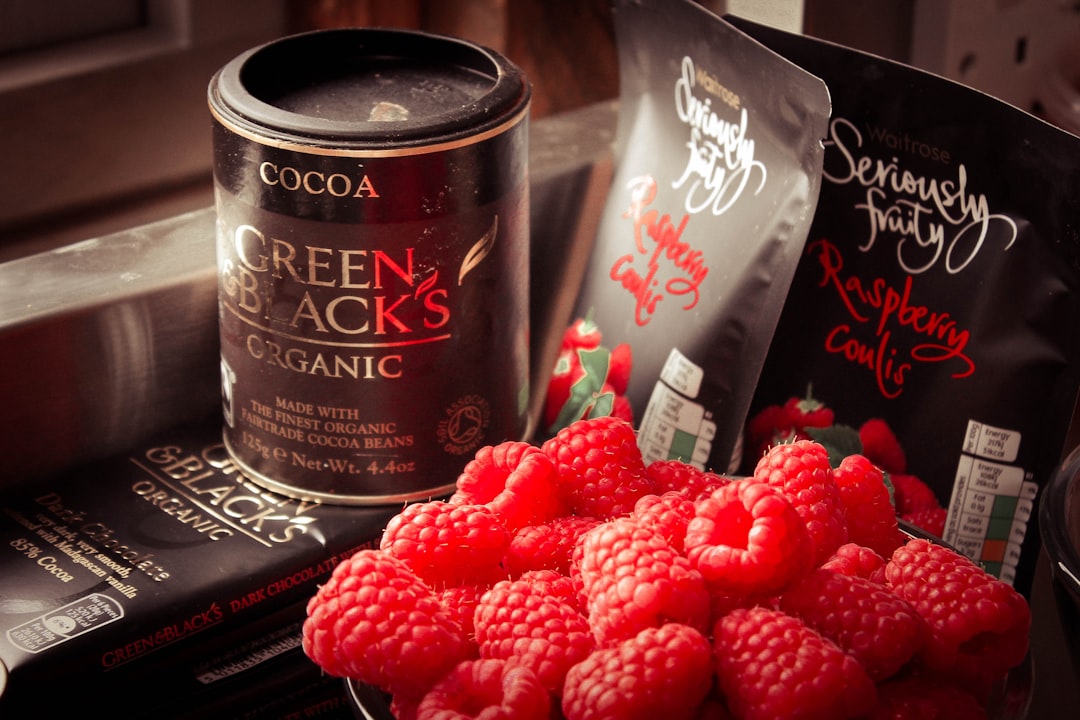
The reality: While açaí does contain antioxidants, so do blueberries, strawberries, blackberries, and raspberries. And you can buy them at any grocery store for a fraction of the cost.
The science: Research shows all berries have impressive antioxidant profiles. Buying local, in-season berries is both cheaper and more sustainable.
Goji Berries → Dried Cranberries or Raisins
The hype: Ancient Chinese secret for longevity and immune health!
The reality: Goji berries are nutritious, but so are many other dried fruits. They're not magic.
Better option: Buy regular dried fruits without added sugar. Mix your own trail mix for less than half the price.
Spirulina/Chlorella → Dark Leafy Greens
The hype: Algae-based powders that supposedly detoxify your body and provide complete protein.
The reality: Your liver and kidneys handle detoxification just fine, thanks. And while these powders do contain some protein, you'd need tablespoons to get meaningful amounts.
Better option: Eat spinach, kale, or Swiss chard. More filling, more fiber, less expensive, and just as nutritious.
Chia Seeds → Ground Flaxseeds
The hype: Omega-3s! Fiber! Ancient Aztec warrior food!
The reality: Chia seeds are indeed nutritious, but ground flaxseeds offer similar benefits (omega-3 ALA, fiber, lignans) at about half the cost.
Pro tip: Buy whole flaxseeds and grind them yourself in a coffee grinder. Store in the fridge to prevent the oils from going rancid.
Manuka Honey → Regular Raw Honey
The hype: Special antibacterial properties justify $40+ price tags.
The reality: Manuka honey does have unique compounds, but for general health purposes, regular raw honey offers antimicrobial benefits too—at a tiny fraction of the cost.
When manuka makes sense: For specific wound healing (with medical supervision) or active digestive issues under a doctor's guidance. For your morning tea? Regular honey works fine.
The Real Everyday Superfoods
Want to know what foods nutritionists actually consider nutritional powerhouses? Here they are, no hype required:
Beans and Lentils
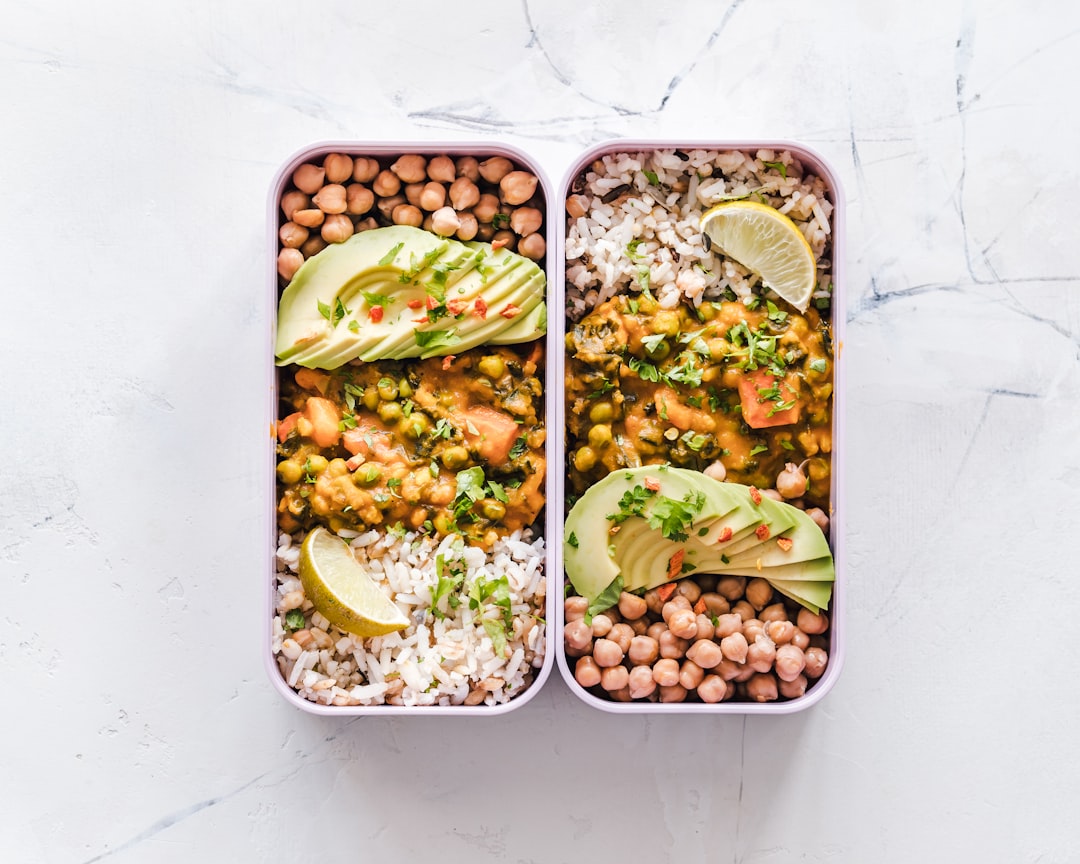
Why they're super: Loaded with protein, fiber, iron, and folate. Associated with reduced heart disease risk and improved blood sugar control.
Cost: Pennies per serving when bought dried.
How to use: Soups, salads, tacos, curries, mashed as a spread, or roasted for a crispy snack.
Sweet Potatoes
Why they're super: Rich in beta-carotene (vitamin A), fiber, and potassium. Support eye health and immune function.
Cost: About $1-2 per pound.
How to use: Baked, roasted, mashed, in curries, as toast alternatives, or in breakfast hashes.
Eggs
Why they're super: Complete protein, choline for brain health, vitamin D, B vitamins, and beneficial carotenoids for eye health.
Cost: Highly affordable protein source.
How to use: Scrambled, hard-boiled, poached, in frittatas, or added to fried rice.
Cabbage
Why it's super: One of the most nutrient-dense vegetables per dollar. High in vitamin C, vitamin K, and compounds that support gut health.
Cost: Often less than $1 per pound.
How to use: Coleslaw, sauerkraut, roasted, in stir-fries, or as a salad base.
Oats
Why they're super: Excellent source of fiber (especially beta-glucan for heart health), B vitamins, iron, and minerals.
Cost: One of the cheapest whole grains.
How to use: Oatmeal, overnight oats, added to smoothies, made into oat milk, or in energy bites.
Canned Fish (Salmon, Sardines, Mackerel)
Why it's super: Omega-3 fatty acids, vitamin D, calcium (if you eat the bones in sardines), and high-quality protein.
Cost: Far cheaper than fresh fish with comparable nutrition.
How to use: Mixed into pasta, on crackers, in salads, or mashed into a sandwich spread.
Plain Yogurt
Why it's super: Probiotics for gut health, protein, calcium, and B vitamins.
Cost: Much cheaper than trendy probiotic supplements.
How to use: With fruit, in smoothies, as a sour cream substitute, in marinades, or as a base for dips.
The "Superfood" Rules That Actually Matter
Forget the marketing hype. Here's what nutrition science actually tells us:
Rule #1: Variety Beats Any Single Food
No one food provides everything you need. A diverse diet beats even the most "super" superfood eaten daily.
"The most 'super' diet is one with lots of variety," Feller emphasizes. "Different colors, different food groups, different preparations."
Rule #2: Whole Foods Beat Powders and Pills
That $50 green powder? You'd be better off spending $5 on vegetables and eating them.
"Whole foods come with fiber, water, and a complex mix of nutrients that work synergistically," Feller explains. "Isolated nutrients in powders don't have the same effect."
Rule #3: Regular Consumption Matters More Than Occasional Splurges
Eating a $15 açaí bowl once a month won't do much. Eating affordable berries several times a week? That will actually impact your health.
Rule #4: Local and Seasonal Is Often Best
Fresh, local produce often has better nutrient retention than exotic foods shipped from across the world. Plus, it supports local farmers and has a smaller environmental footprint.
How to Build a Truly Super Diet (On Any Budget)
Step 1: Fill half your plate with vegetables and fruits (any kind!) Step 2: Include beans, lentils, or other legumes several times a week Step 3: Choose whole grains over refined grains most of the time Step 4: Include a variety of protein sources (eggs, fish, poultry, beans, tofu) Step 5: Add healthy fats from nuts, seeds, olive oil, or avocados Step 6: Stay hydrated with water (no need for fancy alkaline or coconut water)
Notice what's not on this list: Expensive powders, exotic berries, or trendy health foods.
The Bottom Line
The most super food is the one you'll actually eat regularly. It's the vegetables you enjoy enough to eat multiple times a week. The fruit you look forward to as a snack. The beans you know how to cook in a way that tastes good.
Save your money. Skip the $40 superfood powders. Invest in a variety of regular, whole foods instead. Your body—and your wallet—will thank you.
"The best diet is a balanced, varied one made up of foods you enjoy and can afford," Feller says. "That's actually super."